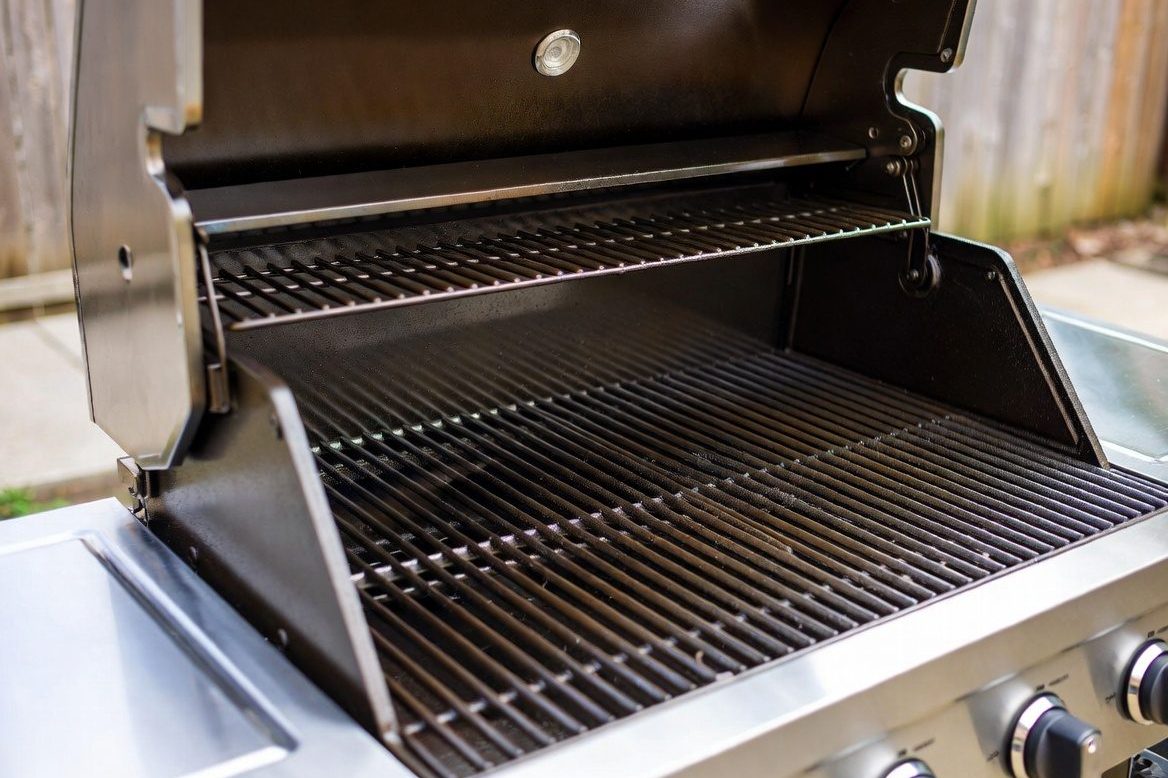
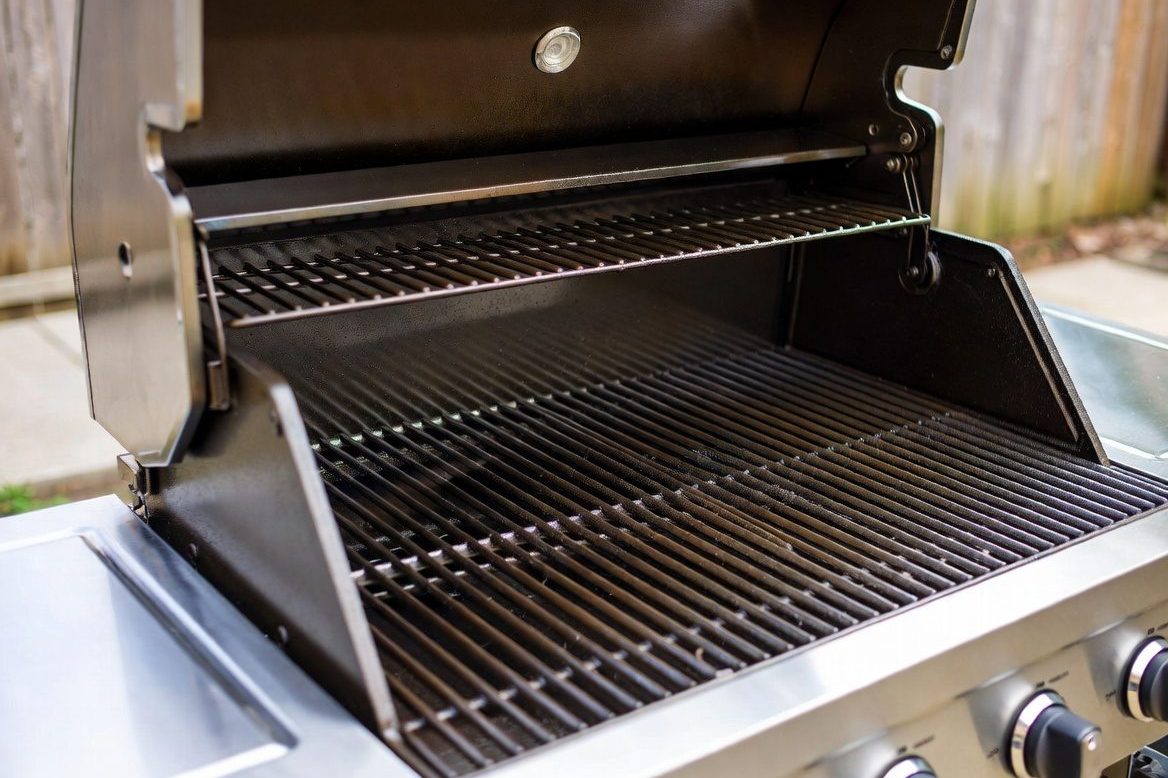
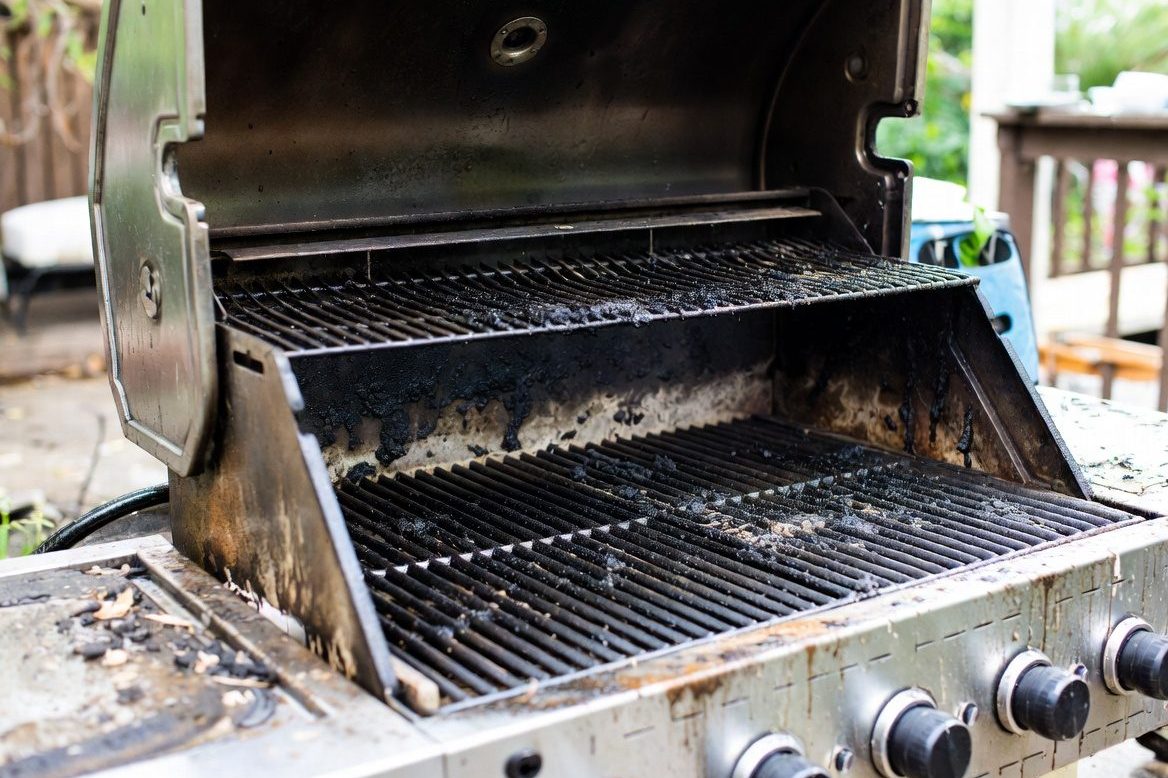
Across Carol Stream's planned neighborhoods and cul-de-sac subdivisions off North Avenue and Gary Avenue, we clean grills and outdoor kitchens on-site.
You get a direct answer to your request, not an automated reply.
Mobile grill and outdoor kitchen cleaning for Carol Stream homes. Serviceability, scope, pricing and scheduling are confirmed after the grill and location are reviewed.
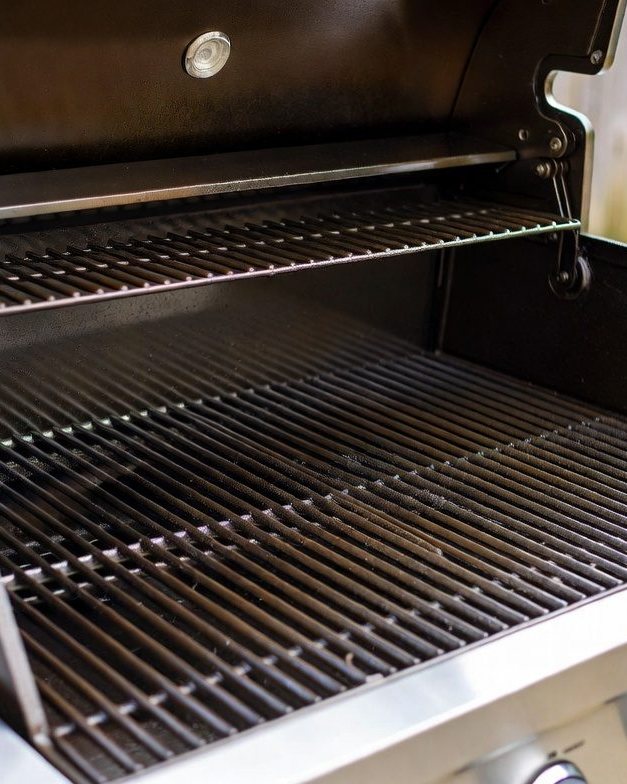
Carol Stream was laid out as a planned community, and it shows in the neat grid of residential subdivisions, curving cul-de-sacs, and family-sized backyards that spread out from North Avenue and Gary Avenue. Those yards were practically built for grilling, and once the season starts, the grills here work hard. We bring our tools straight to your home and take care of the greasy, time-consuming part for you.
Our service is a full teardown, not a wipe-down. We remove the grates and burners, degrease the firebox, clear the burner ports so the flame burns clean, and scrub away the cooked-on residue that collects on the lid and inner panels. The result is a grill that heats evenly, flares up less, and cooks the way it did when it was new.
Carol Stream homeowners run the full range of equipment, from compact patio grills to large built-in units and full outdoor kitchens. We handle all of it, including the stainless exterior restoration and the surrounding counters and cabinets that get splattered over a season of cookouts.
There is no shop to drive to and nothing to lift. Send us photos of your grill and your part of town, and we will reply with an honest, quote before we arrive.
Because Carol Stream is a community of families and roomy subdivisions, the backyard grill is a central part of warm-weather life here. From the first thaw in spring, patios fill up on weekends, and grills off streets near Gary Avenue and Kuhn Road stay busy right through the fall.
The planned layout means a lot of homes back up to shared open space and the neighborhood parks the park district maintains, and cookouts naturally follow. Weeknight dinners on the grill, weekend gatherings, and the occasional big cookout add up to a lot of grease over a single season.
By late summer, the effects show. Grates that have cooked hundreds of meals get gummy, the firebox fills with carbon, and gas burners start heating unevenly. Most homeowners here reach for the phone once the flare-ups get bad or the grill stops holding steady heat — the point where a real deep clean makes all the difference.
We reach every corner of Carol Stream — here are some of the areas we serve most.
Subdivisions along this main corridor feature family homes with open backyards where gas grills run steadily from spring through fall.
Established neighborhoods off Gary Avenue have roomy lots and mature landscaping, with patios that host regular weekend cookouts.
Quieter residential streets with generous backyards, where charcoal and gas grills alike see steady warm-weather use.
Carol Stream's planned cul-de-sacs offer private backyards ideal for entertaining, and the grills here get heavy seasonal use.
Homes close to the park district green space often center summer life around the backyard grill and patio.
Residential pockets with roomy yards where weekend grilling is a warm-weather routine and grease builds up fast over the season.
Neighborhoods toward Geneva Road mix older and newer builds, and we see everything from compact grills to full outdoor kitchens through here.
Grills in Carol Stream tend to earn their keep. In a community built around families and backyard living, a single grill might cook several times a week from April through October, and all that use leaves a mark. Grease bakes onto the grates, carbon cakes the firebox, and burner ports clog with residue, which is what causes the flare-ups and uneven heat homeowners eventually notice. A wire brush only touches the surface; the real buildup sits deeper, where it needs a full teardown to clear.
The seasonal weather adds another challenge. Grills left on open patios through spring rain and summer humidity collect moisture that combines with old grease to accelerate rust, especially on the stainless surfaces and steel fireboxes common on newer models. A proper deep clean removes that buildup, protects the metal from further corrosion, and brings back the even heat a grill needs to cook well — on both the everyday patio grills and the larger built-in setups found throughout Carol Stream's subdivisions.
Grilling is practically a weekend tradition in Carol Stream, and the planned neighborhoods around Armstrong Park and the Town Center see plenty of use out of their backyard setups. What many homeowners do not see is how quickly grease and food residue accumulate underneath the grates over the course of a summer. Left alone, that grease bakes into a stubborn crust on the burners and drip trays, and it becomes the fuel behind sudden flare-ups — the kind that scorch dinner and, in the worst cases, create a real fire risk on a wooden deck.
Local conditions add their own complications. The wooded corridors along Klein Creek and Gary Avenue are home to plenty of insects, and each spring spiders tend to crawl into burner tubes to nest, plugging the openings that feed gas to the flame. The result is frustrating: patchy heating, cold zones, and burners that simply will not light evenly. Carol Stream's long, cold winters bring a different problem, as mice look for sheltered spots and sometimes settle into the body of an idle grill, leaving droppings and gnawed wiring behind.
Weather takes a toll on the metal itself, too. Repeated cycles of damp and dry air along North Avenue leave stainless surfaces prone to oxidation, dull discoloration, and even surface rust. A professional cleaning strips away the carbon buildup, clears the ports, and helps protect the finish on the outdoor kitchens and built-in grills that families have spent good money to install.
A few of the Carol Stream spots close to the homes and backyards we clean.
Every job is a full teardown and detail — not a quick wipe-down.


Four situations homeowners actually run into. Find yours before you spend money — a deep clean is worth it for some of these and a waste for others.
Flare-ups, greasy smoke, food sticking to the grates, or a thick black crust that a wire brush skates over. The burners still light and the frame is solid — it is dirty, not broken.
Cleaning is usually the right call.
One side runs hot and the other barely warms, the igniter clicks without lighting, or you can see split, rusted-through or blocked burner tubes. A deep clean can reveal this, and sometimes clearing blocked ports helps — but a failed part stays failed once it is clean.
Expect a repair diagnosis, which may be a separate service.
Rust that has gone through the firebox or lid rather than sitting on the surface, a cook box you can flex or push a screwdriver through, or a discontinued model whose parts are no longer made.
Worth comparing the cost of repair against replacement.
Built-in units are set into masonry or cabinetry, so the questions are different: can the unit be pulled for access, where do the gas and power connections run, and what protects the stone, tile or composite surround while work is happening.
Confirm access, utilities and surface protection before scheduling.
Worth knowing before you spend anything — cleaning is not restoration, and it is not repair.
Baked-on grease and carbon on grates, radiants and briquettes, residue in the cook box and firebox, buildup around burner ports, and the film on stainless and enamel exteriors. This is the part that causes flare-ups, off flavours and uneven heat.
Most grills come back cooking noticeably better.
Rust that has eaten through metal, pitting, heat-discoloured or crazed finishes, warped grates and cracked fireboxes are permanent. Cleaning makes them visible and clean; it does not make them new. Burners and igniters that have failed are replacement parts, not dirt.
If that is the situation, you should be told, not sold a clean.
Grill work happens over patios, decks and outdoor-kitchen surfaces. Degreasers and runoff can mark bluestone, limestone, unsealed concrete, composite decking and grout, so the work area should be covered and contained before anything is stripped down. Ask how that will be handled — especially on a built-in unit set into stone.
Confirm surface protection before work starts.
Grill servicing covers the grill and its components. Existing grease or barbecue stains on the surrounding patio, pavers or decking are hardscape cleaning — a different job, usually a different contractor, and normally outside the scope of a grill cleaning. Mention them in your request and you will get a straight answer about whether they are included.
Ask first rather than assume it is covered.
Five simple steps from photo to a spotless, safe grill — we do the messy part.
Text photos of your grill or outdoor kitchen and your suburb. Every request is read and answered directly.
We're fully mobile. We handle the entire job on-site in your driveway or backyard, so you never load a heavy, greasy grill into a car.
We break the grill down and strip grates, burners, the firebox, and the interior of the grease and carbon that daily cleaning leaves behind.
Stainless is restored, everything is reassembled and wiped down, and the grease tray is cleared — put back exactly how it should be.
You get back a safe, even-heating grill that looks and cooks better — often cleaner than the day it left the store.
Sending the form is a request, not a booking. Here is the whole sequence, start to finish.
Type, built-in or freestanding, what it is doing now, and how soon you need it. Photos help but are not required.
If the description leaves the scope unclear, you may be asked for a couple of pictures — usually a wide shot and one of the grill open.
Your request is read by a grill-care professional who checks it is serviceable and in the area covered.
You are contacted directly with what the work involves, what it costs and when it could happen. Nothing is booked before this.
No obligation at any point. If it turns out to be a repair or a replacement question instead, you should be told that plainly.
Skip the worst chore in the backyard. We handle the grease so you don't have to.
Built-up grease is the leading cause of grill fires. We remove every bit of it.
Removing years of carbon buildup restores even heat and better cooking performance — and protects your investment so your grill lasts longer.
Grill cleaning across the western suburbs. Explore a nearby town or see every area we cover.
Professional grill cleaning commonly costs several hundred dollars, and what a particular grill costs depends on things nobody can judge from a description alone.
The single biggest factor. A two-burner cart and a six-burner built-in hold very different amounts of surface area, and every grate, radiant and burner is cleaned individually.
A freestanding grill can be worked on where it stands. A built-in is set into masonry or cabinetry, may need drawing out for access, and the surround has to be protected throughout — more time, and more care.
One neglected season and eight of them are not the same job. Heavy carbon crust has to be worked off in stages, and that is time rather than technique.
Some models drop their grates and radiants out in a minute. Others need panels, heat shields or burner assemblies removed to reach what actually needs cleaning.
Pellet grills, kamados and offset smokers are built differently and hold residue in different places. They are quoted on what they are, not on a generic grill rate.
If components look failed rather than dirty, that changes the conversation before it changes the price — see the cleaning-or-repair guide.
Travel within the service area is part of the job. A location that has to be checked for serviceability first is confirmed before anything is quoted.
Yes — we serve the whole village, from the subdivisions along North Avenue and Gary Avenue to the cul-de-sac neighborhoods near Kuhn Road and Armstrong Park. Because we are fully mobile, we come right to your driveway or backyard, with nothing for you to haul.
Standard Weber or portable gas grills start at $249, and large built-ins start at $349. Outdoor kitchens are quoted individually. Because size and condition drive the final price, we ask for a few photos first so we can give you a firm, honest number.
Yes. Plenty of Carol Stream homes have built-in grills and outdoor kitchens, and we clean the grill along with the surrounding cabinets, counters, and stone or stainless surrounds. Send photos of the setup and we will scope it accurately.
We do. Our service covers gas, charcoal, built-in grills, and smokers. For charcoal and smokers we clear ash and remove heavy carbon buildup, all done on-site so the cooker is ready to use right after we leave.
Every request is read and answered directly rather than sitting in a queue. You are told what the job involves, what it would cost and when it could happen, before anything is scheduled.
Insurance and business details are confirmed with you in writing before any work is scheduled, and the scope is agreed with you in advance so there is a clear standard for the finished job. Ask for both when you are contacted about your request.
Most grills take 1.5 to 2.5 hours depending on size and buildup. Built-in grills and outdoor kitchens take a bit longer — we'll give you an estimate with your quote.
Not necessarily — as long as we can access your grill. Many customers leave it open for us and pay by a secure link. Just let us know your preference.
Photos and a description of the condition are enough to come back to you with scope, price and timing.
The more you can describe the grill and its condition, the more accurately it can be quoted — and the fewer back-and-forth messages before you get an answer.
Chicagoland Grill Cleaning helps homeowners document their grill’s condition and connect with an available local grill-care professional. Submitting this form sends a request — it is not a confirmed booking. The professional who picks it up confirms scope, pricing and availability with you directly before any work happens.
Send us photos and we'll provide a fast quote — no pressure, no obligation.
Get a Fast Quote